Weathering Well: Five Cloths That Earn Character Through a British Winter
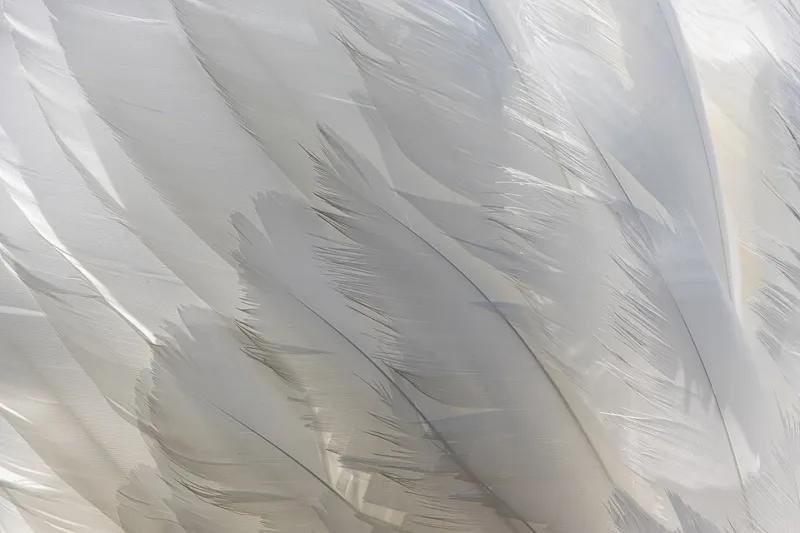
Photo: Basile Morin, CC BY-SA 4.0, via Wikimedia Commons
Patina is a word usually borrowed from furniture and metalwork, but it belongs in the wardrobe as well. A British winter asks a great deal of cloth: drizzle that persists from morning until dusk, the abrasive nap of bus seats, the repeated friction of a bag strap, and the damp-dry-damp cycle of a hallway. Most fabrics simply decline under that treatment. A small number improve.
What Patina Means in a British Wardrobe
In clothing, patina is not dirt and it is not decay. It is a change in surface and hand that adds depth without compromising structure. A good wool flannel softens at the elbow and takes on a faint bloom. A waxed cotton jacket records its creases in the finish. A tweed develops a slightly felted surface where it has been worn against a seat or a sleeve. None of these changes makes the garment less serviceable; they make it more articulate.
The distinction matters because British wardrobes are prone to a particular romanticism about worn things. A frayed cuff is not character. A hole at the pocket mouth is not evidence of a life well lived. Patina is the softening of a good cloth; wear is the failure of a poor one, or the neglect of a good one. The patina test is therefore not an argument for doing less. It is an argument for choosing cloth that can be maintained, and then maintaining it.
Reading a Cloth for Its Future
A cloth that will age well usually feels slightly too firm at first. It has a tight twist in the yarn, a dense sett, or a fulled surface that will relax rather than collapse. Colour should have depth rather than brightness: a dark olive, a charcoal, a deep russet, a navy that reads almost black in indoor light. Pale and highly saturated surfaces show every mark, and not all marks become patina.
Construction matters as much as fibre. Generous seam allowances, a lining that can be replaced, and trims that do not corrode will allow a garment to be repaired rather than retired. In the studio, we look for cloths that can be brushed, aired, re-proofed or lightly pressed. A cloth that demands dry cleaning after every outing is not a cloth for a British winter.
Five Cloths That Weather Well
Dense Wool Flannel
Not the soft, brushed flannel of pyjamas, but a closely woven woollen with a firm hand. It is the cloth of winter trousers and unstructured jackets, and it improves by losing its initial crispness. Creases relax, the surface takes on a subtle bloom, and the colour appears to deepen rather than fade.
Style it with a heavy knit and a leather shoe, keeping the rest of the outfit plain so that the cloth’s texture does the work. Brush after wear, hang in moving air, and press only when necessary. A shine at the seat or thinning at the knee is not patina; it is wear, and it should be addressed by a tailor before it becomes a hole.
Waxed Cotton
Waxed cotton is the most literal example of a cloth designed for patina. The finish is meant to be renewed, and the garment records its history in the creases at the elbow, the darkening at the pockets and the softening of the collar. A well-kept waxed jacket can look better in its fifth winter than its first.
Wear it over tailored layers rather than athletic ones: a wool jumper, a shirt, a scarf. Clean with cold water and a soft brush, never detergent, and re-wax at the start of autumn. Cracks that let in water are not charm; they are a maintenance failure. Repair them before the damp reaches the lining.
Heavyweight Tweed
A Harris Tweed or a Yorkshire counterpart in a substantial weight will develop a surface that is almost felted where it has been worn. The colour shifts slightly across the weave, and the jacket begins to look less like a costume and more like a garment. This is the cloth that most rewards restraint in styling: a plain shirt, a simple wool tie, a dark trouser.
Brush tweed after wear and air it rather than sending it repeatedly to the dry cleaner. Snags should be drawn back into the cloth with a fine needle, not cut. Moth holes are not patina. They are damage, and they belong with a repairer.
Cotton Moleskin
Moleskin is a densely woven cotton with a brushed face. It softens considerably with wear, fades a little at the seams and moulds to the knee and seat. In a dark colour it reads as a quieter alternative to corduroy, and it is unusually comfortable in the damp cold.
Wear moleskin trousers with boots and a heavy jumper, or a moleskin jacket as a weekend layer. Wash inside out, at low temperature, and line dry. Shine at the seat and fraying at the hem are signs that the cloth has been asked to do too much; have hems turned and seats reinforced rather than treating the decline as style.
Heavy Cotton Drill
Drill and canvas are the workhorses of a winter wardrobe: chore jackets, bags, heavy trousers. They abrade at the edges, soften at the folds and lighten slightly where the surface has been rubbed. The effect is honest and undemanding, provided the cloth is heavy enough to begin with.
Style a drill jacket over a knit and under a wool coat, and keep it clean. A stiff brush will remove dried mud and salt; a re-proofing treatment will restore water resistance. Grime that will not shift, or a torn pocket, is not patina. It is dirt or damage, and both should be sorted before the garment is worn again.
The patina test is not an invitation to neglect. A wardrobe that improves with a bad winter is one whose cloths have been chosen for their capacity to be maintained: brushed, aired, re-waxed, repaired, rested. The reward is not a garment that looks old. It is a garment that looks settled, and that is a different thing altogether.