Naomi Atkinson Design Collections, cloth and styling notes from a UK studio.

Naomi Atkinson Design

Collections, cloth and styling notes from a UK studio.

Latest Articles

The Hood in Reserve: Rain Cover for the Unconvinced
Cloth & Craft

The Hood in Reserve: Rain Cover for the Unconvinced

A study of the hood as a garment held in reserve: how it can live inside a collar, deploy in drizzle and return without disturbing a coat's line. The notes compare packable hoods, storm collars and separate rain hats through fitting-room tests that account for spectacles, hearing and hair.


The Small Print at the Neck: Designing the Garment's Instruction Manual
Cloth & Craft

The Small Print at the Neck: Designing the Garment's Instruction Manual

The care label is often treated as a legal afterthought, yet it sits closer to the skin than any button or seam. This studio essay argues that its placement, fibre, print method and wording deserve the same scrutiny as the cloth itself — especially in the real conditions of British laundry.

When the Body Folds: A Case for the Seated Fitting
Cloth & Craft

When the Body Folds: A Case for the Seated Fitting

Standing before a mirror answers only part of the question. This studio note argues for the seated fitting as a structural audit, examining how waistbands, hems, rises and sleeves behave once the body folds into a train seat, desk chair or pub bench.

Give and Guard: The Skirt Vent and the Measure of a Stride
Cloth & Craft

Give and Guard: The Skirt Vent and the Measure of a Stride

A skirt is judged standing still and lives in motion, and the walking vent is the small piece of engineering that reconciles the two. This studio note compares vent depths and constructions, tests them against stairs, bus steps and wet pavements, and sets out what to look for in the fitting room.

Cloth & Craft

The Inner Climate: How Lining and Knitwear Negotiate a Winter Coat

A winter coat is usually judged from the outside, but much of its daily behaviour is decided within: between lining and knitwear, skin and trapped air. This studio note treats static, slippage and sleeve room as fitting variables rather than afterthoughts, with practical guidance for a British winter wardrobe.

The Unhurried Beginning: Airing a New Coat Before Its First Outing
Cloth & Craft

The Unhurried Beginning: Airing a New Coat Before Its First Outing

A new coat arrives compressed, chilled and marked by its journey. This studio note explains why a week on a suitable hanger, in gently moving air, allows British wool and tailored construction to settle before first wear.

The Waistband's Bargain: Structure, Give and the Trouser That Keeps Its Word
Cloth & Craft

The Waistband's Bargain: Structure, Give and the Trouser That Keeps Its Word

The waistband is the most negotiated part of a pair of trousers, setting the terms between cloth and body across a British day. This studio note examines curve, depth, interlining and fastening, and offers fitting-room tests that look beyond the standing mirror.

Rest, Weight and Warmth: The Pressing Bench as a Shaping Tool
Cloth & Craft

Rest, Weight and Warmth: The Pressing Bench as a Shaping Tool

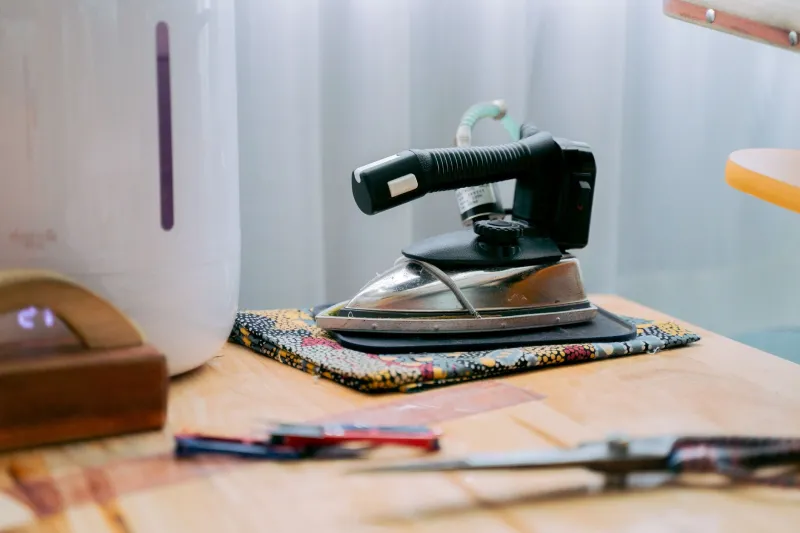
Pressing is the least photographed stage of making a garment and the one most often performed as a domestic chore. A studio account of steam, weight and rest as shaping instruments, with practical notes on the wool coat, the trouser leg, and the visible signs of a cloth that has been pressed too far.

Held in Place: The Internal Architecture of a Wool Jacket
Cloth & Craft

Held in Place: The Internal Architecture of a Wool Jacket

Two jackets cut from the same bolt of wool can hang as though they were made in different rooms. The difference usually lies beneath the cloth, in the tapes, canvases and fusible layers that give a jacket its quiet skeleton. This studio note considers how those hidden structures behave through a British winter, and how to judge them in the fitting room without opening a seam.

The Reaching Sleeve: Fitting a Winter Coat at the Wrist
Cloth & Craft

The Reaching Sleeve: Fitting a Winter Coat at the Wrist

Coat sleeve length is too often judged in a standing mirror, yet a British winter is lived in motion. This studio note sets out a practical fitting method for the wrist, where gloves, knit cuffs and umbrella handles all ask for a centimetre of considered clearance.

Stand, Roll and Latch: A Studio Guide to the Coat Collar
Cloth & Craft

Stand, Roll and Latch: A Studio Guide to the Coat Collar

The collar is where a British coat meets the weather first. This studio guide examines stand height, notch shape, roll and throat-latch closure, with practical notes on judging the neckline in the fitting room before the cloth is allowed to persuade.

The Ear as a Fitting Room: Auditory Signals in British Dress
Cloth & Craft

The Ear as a Fitting Room: Auditory Signals in British Dress

Before a mirror confirms line or colour, a garment often announces itself through sound: the dry rustle of a wool sleeve, the pitch of a zip, the swish of a lining. Listening is a practical, if neglected, part of judging cloth, movement and wearability in a British wardrobe.

The Break, Reconsidered: Hemming Trousers for Wet Pavements and Warm Rooms
Cloth & Craft

The Break, Reconsidered: Hemming Trousers for Wet Pavements and Warm Rooms

Trouser length is rarely settled by the mirror alone. Judged against spray, boot shafts and the overheated interval of a British November, a hem becomes a piece of engineering as much as a matter of taste. These are notes from the studio on getting the break right before the weather has its say.

A Drawer That Breathes: Storing Wool Through a British Winter
Cloth & Craft

A Drawer That Breathes: Storing Wool Through a British Winter

In a British house, damp air and mild winters make wool storage a year-round discipline rather than a spring ritual. A practical, opinionated guide to cedar, lavender, breathable bags and the monthly inspection that keeps cloth alive between wears.

Weathering Well: Five Cloths That Earn Character Through a British Winter
Cloth & Craft

Weathering Well: Five Cloths That Earn Character Through a British Winter

Some cloths merely survive a British winter; a few are improved by it. This studio guide considers five fabrics that develop depth, softness and a settled surface through rain, bus seats and repeated wear — and explains how to distinguish patina from plain damage.

Two Centimetres of Intent: Judging a Shirt by Its Neckband
Cloth & Craft

Two Centimetres of Intent: Judging a Shirt by Its Neckband

The collar stand is the smallest pattern piece in a shirt and the one most often overlooked in the fitting room. A studio note on band height, interlining and the way a neckline frames the face — with checks a reader can carry out without a tape measure.

The Line That Sets the Jacket: Shoulder Structure and the Fitting Room Test
Cloth & Craft

The Line That Sets the Jacket: Shoulder Structure and the Fitting Room Test

In a British jacket, the shoulder is not a decorative finish but the first structural decision a wearer feels. This article examines sleeve heads, armhole shape and the difference between a crisp tailored jacket and a softer unlined coat, with notes on what to judge in the fitting room before any alteration is agreed.

The Weight of a Hand: Pocket Geometry and the Fall of a British Coat
Cloth & Craft

The Weight of a Hand: Pocket Geometry and the Fall of a British Coat

A pocket is not an accessory added after the fact; it is a small structural decision that changes how cloth hangs and how a garment is worn. This studio note examines depth, angle, bag cloth and placement across British coat and trouser archetypes, with practical calico tests for the workbench.

The Inner Surface: Judging a Coat by the Cloth Against the Body
Cloth & Craft

The Inner Surface: Judging a Coat by the Cloth Against the Body

A coat is often chosen by its outer cloth and judged by its line, yet much of its behaviour is decided inside. This studio note considers lining fibres, slippage over knitwear, warmth, repair access and the questions worth asking before a British coat is bought.

Calico Before Cloth: The Studio Toile as a First Draft
Cloth & Craft

Calico Before Cloth: The Studio Toile as a First Draft

Before the final cloth is cut, a calico toile is made to answer the questions that sketches cannot. In the studio, the mock-up is not a preliminary formality but the first honest conversation between design, body and gravity.